This automation increases efficiency and reduces operational costs. AI chatbots handle customer inquiries, improving response times. Predictive analytics help businesses forecast demand and manage stock levels effectively. AI also enhances security by detecting fraudulent activities.
The integration of AI in e-commerce not only streamlines operations but also provides a competitive edge. E-commerce platforms leveraging AI see increased sales and customer loyalty.
Enhancing Personalization
How AI Tools Are Revolutionizing E-Commerce by enhancing personalization is truly remarkable. AI tools analyze customer behavior, preferences, and past purchases to provide a customized shopping experience. By leveraging AI, e-commerce businesses can create a unique and engaging experience for every shopper.
Product Recommendations
AI-powered product recommendations are changing how customers shop online. By analyzing data from various sources, AI can recommend products that shoppers are likely to buy. These recommendations are based on:
- Browsing history
- Previous purchases
- Search queries
- Demographic information
For example, if a customer has bought a pair of running shoes, AI can suggest related items like:
| Product | Category |
|---|---|
| Running Socks | Sports Accessories |
| Sports Water Bottle | Hydration |
| Fitness Tracker | Wearable Tech |
AI tools also adjust recommendations in real-time. If a customer changes their preferences, AI algorithms quickly adapt to offer new, relevant suggestions. This dynamic approach ensures shoppers always see products they are interested in, increasing the likelihood of purchase.
Personalized Shopping Experience
AI creates a personalized shopping experience by tailoring content, offers, and communication to individual customers. This personalization starts from the moment a customer visits an e-commerce site. AI tools can:
- Customize homepage layouts
- Show targeted ads
- Offer personalized discounts
For instance, AI can display a customized homepage based on a user’s previous visits. If a shopper frequently buys electronics, the homepage will highlight the latest gadgets and tech deals. This targeted approach makes the shopping experience more relevant and enjoyable.
AI also personalizes communication. E-commerce platforms use AI to send tailored emails and notifications. These messages contain product recommendations, exclusive offers, and relevant content, keeping customers engaged and coming back.
By enhancing personalization, AI tools help e-commerce businesses build stronger relationships with their customers. This leads to increased customer loyalty and higher sales.

Improving Customer Service
AI tools are transforming the e-commerce industry by enhancing various aspects of customer service. From instant support to personalized assistance, AI is making online shopping experiences smoother and more efficient. Two key AI tools that are leading this revolution are chatbots and virtual assistants.
Chatbots For Instant Support
Chatbots provide instant responses to customer queries, significantly reducing wait times. This immediate support keeps customers engaged and satisfied. Chatbots can handle a range of tasks such as:
- Answering frequently asked questions (FAQs)
- Providing product information
- Assisting with order tracking
- Offering promotional codes and discounts
For example, a chatbot can quickly provide the status of an order:
| Customer Query | Chatbot Response |
|---|---|
| Where is my order? | Your order is out for delivery and will arrive today. |
Chatbots can operate 24/7, ensuring that customers receive support anytime they need. This constant availability boosts customer satisfaction and loyalty.
Virtual Assistants For Enhanced Assistance
Virtual assistants offer personalized support that goes beyond basic queries. They can understand customer preferences and make tailored recommendations. Some key features of virtual assistants include:
- Personalized product suggestions
- Assistance with complex issues
- Guided shopping experiences
- Integration with other services like calendars and reminders
For instance, a virtual assistant can recommend products based on previous purchases:
| Customer’s Previous Purchase | Virtual Assistant’s Recommendation |
|---|---|
| Running Shoes | Would you like to see our latest running gear? |
By providing such personalized assistance, virtual assistants help customers find what they need more quickly and efficiently. This leads to increased sales and improved customer retention.
Optimizing Inventory Management
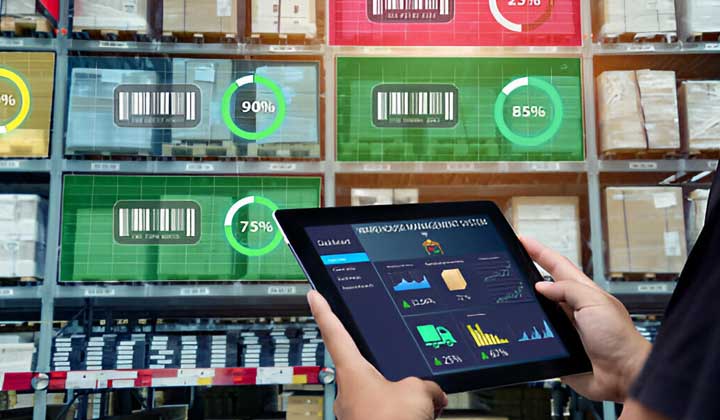
E-commerce is evolving rapidly, and AI tools are playing a crucial role in this transformation. Optimizing inventory management has become essential for businesses to stay competitive. AI tools offer advanced solutions that streamline processes, reduce costs, and enhance customer satisfaction. Two key areas where AI is making a significant impact are demand forecasting and automated reordering.
Demand Forecasting
Accurate demand forecasting is vital for efficient inventory management. AI tools analyze vast amounts of data to predict future sales trends. This helps businesses maintain optimal stock levels, preventing both overstocking and stockouts. Here are some ways AI enhances demand forecasting:
- Analyzing historical sales data to identify patterns and trends.
- Incorporating external factors like seasonal trends, holidays, and economic conditions.
- Real-time data analysis to adjust forecasts based on current events.
A table showcasing the benefits of AI-driven demand forecasting:
| Traditional Forecasting | AI-Driven Forecasting |
|---|---|
| Manual data analysis | Automated, real-time data analysis |
| Limited accuracy | High accuracy with machine learning |
| Time-consuming | Quick and efficient |
By leveraging AI for demand forecasting, businesses can anticipate customer needs more accurately. This leads to improved customer satisfaction and higher sales.
Automated Reordering
Automated reordering is another significant advantage of AI in inventory management. AI systems monitor inventory levels in real-time and trigger reorders automatically. This ensures that stock levels remain optimal without human intervention. Key benefits include:
- Reduced risk of stockouts, ensuring products are always available.
- Minimized overstocking, reducing storage costs and waste.
- Streamlined procurement processes, saving time and resources.
Here’s a comparison of traditional reordering vs. AI-driven automated reordering:
| Traditional Reordering | AI-Driven Automated Reordering |
|---|---|
| Manual tracking and ordering | Real-time monitoring and automatic reorders |
| Prone to human errors | High accuracy and reliability |
| Time-intensive | Efficient and time-saving |
Using AI for automated reordering helps businesses maintain optimal inventory levels effortlessly. This leads to improved efficiency, reduced costs, and better customer service.

Streamlining Supply Chain
Artificial Intelligence (AI) tools are transforming e-commerce in unprecedented ways. One significant area of impact is the supply chain. AI tools streamline supply chain operations, ensuring efficiency and reliability from start to finish. Businesses can now automate complex processes, optimize logistics, and manage inventory with pinpoint accuracy.
Enhanced Logistics
AI tools enhance logistics by providing real-time data and predictive analytics. These technologies help businesses anticipate demand, reduce delivery times, and minimize costs. Here are some key ways AI is revolutionizing logistics:
- Route Optimization: AI algorithms analyze traffic patterns and delivery schedules. This ensures the fastest and most efficient delivery routes.
- Predictive Maintenance: AI predicts when vehicles need maintenance. This reduces downtime and keeps the fleet operational.
- Demand Forecasting: AI tools predict customer demand. This helps in managing inventory and avoiding stockouts or overstocking.
- Real-Time Tracking: AI provides real-time tracking of shipments. Customers and businesses can monitor the progress of deliveries.
Consider the following table that highlights the benefits of AI in logistics:
| Aspect | AI Benefit |
|---|---|
| Route Planning | Reduces fuel consumption and delivery time |
| Inventory Management | Maintains optimal stock levels |
| Customer Satisfaction | Improves delivery accuracy and speed |
Smart Warehousing
Smart warehousing leverages AI to automate and optimize warehouse operations. This leads to increased efficiency, reduced errors, and better space utilization. Here are some ways AI tools are making warehouses smarter:
- Automated Sorting: AI-powered robots sort and organize products. This speeds up the order fulfillment process.
- Inventory Monitoring: AI systems continuously monitor inventory levels. They notify managers when stocks are low.
- Space Optimization: AI tools analyze warehouse space. They suggest the best ways to store products, maximizing space.
- Robotic Assistance: Robots handle repetitive tasks. This allows human workers to focus on more complex tasks.
Here is a table summarizing the advantages of smart warehousing:
| Feature | AI Advantage |
|---|---|
| Automated Sorting | Reduces manual labor and errors |
| Inventory Monitoring | Ensures stock availability |
| Space Optimization | Maximizes storage efficiency |

Enhancing Fraud Detection
The world of e-commerce is changing fast. One of the biggest changes is the use of AI tools. These tools help online stores in many ways. One key area is enhancing fraud detection. Fraud can harm both businesses and customers. AI tools make it easier to spot and stop fraud before it happens.
Identifying Suspicious Activities
AI tools are very good at finding suspicious activities. They can look at lots of data very quickly. This helps them find patterns that might mean fraud. Here are some ways AI tools do this:
- Analyzing buying patterns: AI tools look at how people usually shop. If someone buys a lot of expensive items quickly, it might be fraud.
- Tracking IP addresses: AI tools can see where orders come from. If an order comes from a risky location, it can be flagged.
- Monitoring account behavior: AI tools watch how accounts are used. If an account acts strangely, it can be checked for fraud.
AI tools use machine learning to get better over time. They learn what normal behavior looks like. This helps them find new types of fraud. Here is a table showing some common signs of suspicious activities:
| Suspicious Activity | Possible Sign |
|---|---|
| Large Orders | Many expensive items in a short time |
| Unusual Locations | Orders from risky IP addresses |
| Strange Account Behavior | Sudden changes in account usage |
Preventing Payment Fraud
Payment fraud is a big problem for e-commerce. AI tools help stop this kind of fraud. They check if payment methods are safe before the money is taken. Here are some ways AI tools prevent payment fraud:
- Card Verification: AI tools check if a card is real. They can spot fake cards quickly.
- Transaction Monitoring: AI tools watch transactions in real-time. They look for signs of fraud, like strange amounts or locations.
- Risk Scoring: AI tools give each transaction a risk score. High-risk transactions can be stopped or checked more closely.
AI tools also work with other systems to share information. This makes it easier to spot fraud across different platforms. Here is an ordered list of steps AI tools take to prevent payment fraud:
- Check the card details
- Monitor the transaction
- Assign a risk score
- Flag or stop risky transactions
AI tools make e-commerce safer for everyone. They help keep customers’ money and personal information safe. Businesses also lose less money to fraud.

Improving Search And Discovery
Artificial Intelligence (AI) tools are changing the way we shop online. E-commerce is now smarter and faster. Improving search and discovery is a major part of this change. AI makes it easier to find what you need. Let’s explore how AI is making search and discovery better in e-commerce.
Visual Search
Visual search is a game-changer for online shopping. It lets you search using images instead of words. This is useful if you don’t know the name of the item you want. You can take a picture of a product and find similar items online.
Here are some key benefits of visual search:
- Faster searches: No need to type long descriptions.
- Better results: Find exactly what you’re looking for.
- User-friendly: Easy for kids and adults alike.
Many e-commerce sites now use visual search tools. Here is a table showing some popular platforms and their visual search features:
| Platform | Visual Search Feature |
|---|---|
| Amazon | Camera Search |
| Lens | |
| eBay | Image Search |
AI makes all this possible. It uses image recognition to match photos with products. This saves time and makes shopping fun. Visual search is here to stay, making e-commerce more exciting.
Voice Search
Voice search is another breakthrough in e-commerce. It allows you to search by speaking instead of typing. This is great for people who are busy or can’t type easily. Voice search works well with smart speakers and mobile devices.
Here are some benefits of voice search:
- Convenience: Search hands-free while doing other tasks.
- Speed: Get results faster than typing.
- Accessibility: Helps those who find typing difficult.
Many e-commerce platforms now support voice search. Here are some examples:
| Platform | Voice Search Feature |
|---|---|
| Google Shopping | Google Assistant |
| Amazon | Alexa |
| Walmart | Voice Shopping |
AI powers these voice search tools. It uses natural language processing to understand spoken words. This makes it easy to find products by talking. Voice search is making e-commerce more accessible and efficient.

Future Trends
As AI technology advances, future trends are emerging that promise to further revolutionize the industry. These trends include AI-powered virtual shopping and augmented reality, which are set to redefine how consumers shop online.
Ai-powered Virtual Shopping
AI-powered virtual shopping is making online shopping more interactive and personalized. Virtual shopping assistants use AI to understand customer preferences and provide tailored recommendations. These assistants can chat with customers, answer questions, and suggest products based on browsing history.
Some key features of AI-powered virtual shopping include:
- Personalized Recommendations: AI algorithms analyze customer data to suggest products that fit their style and preferences.
- 24/7 Customer Support: AI chatbots provide round-the-clock assistance, answering queries and helping customers find what they need.
- Efficient Inventory Management: AI helps manage stock levels, predicting demand and reducing overstock or shortages.
These features enhance the shopping experience by making it more convenient and tailored to individual needs. For example, an AI assistant might suggest a dress that matches a pair of shoes you previously bought.
| Feature | Benefit |
|---|---|
| Personalized Recommendations | Increases customer satisfaction and sales |
| 24/7 Customer Support | Improves customer service and loyalty |
| Efficient Inventory Management | Reduces costs and waste |
Augmented Reality In E-commerce
Augmented reality (AR) is another trend shaping the future of e-commerce. AR technology allows customers to visualize products in their own space before making a purchase. This makes shopping more engaging and helps reduce returns.
Some benefits of AR in e-commerce include:
- Enhanced Product Visualization: Customers can see how a product looks in their home or on their body, leading to more confident purchases.
- Interactive Shopping Experiences: AR apps let users interact with products, such as trying on clothes or placing furniture in their rooms.
- Reduced Return Rates: With a clearer idea of what they are buying, customers are less likely to return products.
For instance, an AR app might let you see how a sofa fits in your living room, ensuring it matches your decor. This eliminates the guesswork and makes shopping more fun and efficient.
| Benefit | Impact |
|---|---|
| Enhanced Product Visualization | Boosts customer confidence and satisfaction |
| Interactive Shopping Experiences | Makes shopping more engaging and enjoyable |
| Reduced Return Rates | Lowers costs associated with returns |
Frequently Asked Questions (FAQs)
How Are Ai Tools Changing E-commerce?
AI tools are personalizing shopping experiences by analyzing customer data. They improve product recommendations, enhance customer service through chatbots, and streamline inventory management.
Can Ai Improve Customer Service In E-commerce?
Yes, AI-powered chatbots provide 24/7 customer support. They handle inquiries efficiently, resolve issues quickly, and enhance customer satisfaction, improving overall service quality.
How Does Ai Help In Inventory Management?
AI predicts demand accurately by analyzing sales data and trends. This helps in reducing overstocking and stockouts, optimizing inventory levels, and saving costs.
Are Ai Tools Beneficial For Product Recommendations?
Absolutely, AI analyzes user behavior to offer personalized product suggestions. This increases conversion rates, boosts sales, and enhances the shopping experience.
Conclusion
AI tools are transforming e-commerce, enhancing customer experiences, and streamlining operations. Businesses benefit from improved efficiency and increased sales. Embracing AI technology is essential for staying competitive. Keep exploring these innovative tools to stay ahead in the e-commerce landscape. The future of e-commerce is bright with AI leading the way.